Geometric Design Patterns: Elevating Visual Communication with Precision
In a digital landscape saturated with imagery, the human eye is constantly seeking order amidst chaos. This is where Geometric Design Patterns emerge not merely as decorative elements, but as fundamental tools for structure, rhythm, and brand identity. The modern creator understands that design is no longer just about aesthetics; it is about functionality, scalability, and the ability to convey complex ideas through simple, repeatable forms. At the heart of this evolution lies a specific fascination with structured abstraction—patterns that balance mathematical precision with artistic expression.
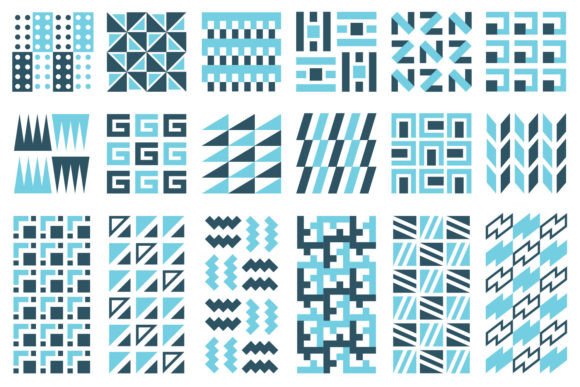
Consider the power of a well-crafted mosaic. Unlike organic shapes that rely on the unpredictability of nature, geometric patterns offer a sense of control and reliability. They speak a universal language of stability and logic. When we look at collections featuring Geometric design patterns in light and dark blue colors, we are seeing more than just a color palette; we are observing a psychological tool. Blue has long been associated with trust, intelligence, and calmness, while the interplay of light and dark shades adds depth and dimension without sacrificing the flat, modern aesthetic that defines contemporary UI/UX trends.
The Evolution of Abstract Flat Mosaic Geometrical Repeatable Patterns
The trajectory of graphic design over the last decade has moved decisively toward minimalism and abstraction. Consumers are increasingly overwhelmed by cluttered interfaces and hyper-realistic imagery that often feels out of touch with the streamlined efficiency of modern life. In response, designers have turned to abstract flat mosaic geometrical repeatable patterns. These designs strip away unnecessary detail, focusing instead on the relationship between shape, space, and color.
This shift is driven by the need for versatility. A pattern that works seamlessly on a mobile screen must also hold up when printed on a large-scale billboard or embossed on a corporate notebook. The move toward vector-based and high-resolution formats allows creators to scale their work infinitely without losing quality. This adaptability is crucial for businesses that operate across multiple channels, from social media avatars to physical packaging. The demand for such assets has never been higher, as brands strive to maintain a cohesive visual identity regardless of the medium.
Furthermore, the popularity of these patterns reflects a broader cultural appreciation for structure. In a world that often feels unpredictable, the inherent symmetry and repetition of geometric forms provide a subconscious sense of comfort. This is why collections specifically curated around themes like light and dark blue mosaics resonate so strongly. They offer a visual anchor—a reminder of order and clarity—that appeals to both professional designers and casual hobbyists looking to add a touch of sophistication to their personal projects.
Practical Applications for Modern Workflows
For professionals ranging from freelancers to agency owners, the integration of high-quality geometric assets into daily workflows is a game-changer. Imagine a marketer designing a campaign for a fintech startup. The goal is to communicate security and innovation. By utilizing a set of Geometric design patterns in light and dark blue colors, the designer can instantly establish a mood of professionalism and trust. The flat style ensures that the background does not compete with the primary content, allowing text and calls to action to remain the focal point.
The technical specifications of these assets are equally important. High resolution is non-negotiable for print media. A pattern included in a collection at 300 ppi density guarantees that whether it is used for a brochure, a business card, or a large format poster, the edges will remain crisp and the colors vibrant. There is nothing worse than pixelated graphics ruining the perception of a brand's quality. Similarly, the availability of files with transparent backgrounds is essential for web design. It allows developers to layer patterns over different colored sections of a website without unsightly white boxes or jagged edges.
Let us consider the workflow of an educator creating course materials. Using abstract flat mosaic geometrical repeatable patterns can transform dry textbooks into engaging visual guides. The repetitive nature of the pattern helps break up dense blocks of text, making information easier to digest. When students see a visually stimulating layout, their engagement levels tend to rise. This practical application demonstrates that geometric design is not just about decoration; it is a pedagogical tool that enhances comprehension and retention.
The Importance of Versatile File Formats
The value of a design asset collection is often defined by the flexibility of its file formats. A robust library should cater to every stage of the creative process, from initial sketching to final production. The inclusion of JPG - High resolution - 18 included - 300 ppi density files ensures immediate usability for quick mockups and standard printing needs. These are the workhorses of the collection, ready to be dropped into any project with minimal friction.
However, the true power lies in the vector capabilities. The provision of PNG - With transparent background - 18 included - 300 ppi density offers a middle ground, providing the ease of raster images with the clean edges required for overlaying on various backgrounds. For those who require maximum control, the SVG - Vector graphics - 18 included format is indispensable. Scalable Vector Graphics allow for infinite resizing without any loss of quality, making them perfect for responsive web design where screens come in all shapes and sizes.
Moreover, the availability of AI - Vector file for Adobe illustrator and EPS - Vector file version EPS 10 caters to the most demanding professionals. These native formats enable deep customization. A designer can ungroup the elements, recolor individual shapes to match a specific brand guideline, or alter the geometry entirely to suit a unique vision. This level of access transforms a static pattern into a dynamic component of a larger design system. It empowers users to take ownership of the visual language, ensuring that the final output is truly original despite using pre-made assets.
Strategic Implications for Business and Branding
For business owners and entrepreneurs, investing in high-quality design assets is an investment in brand equity. In a crowded marketplace, differentiation is key. A unique yet recognizable pattern can become a signature element of a brand, much like a logo. When potential customers encounter a consistent use of Geometric design patterns in light and dark blue colors across a company's website, email newsletters, and physical products, it reinforces brand recall.
This consistency builds trust. It signals that the business pays attention to detail and values quality. Conversely, inconsistent or low-quality visuals can erode confidence. The ability to switch between different variations of a pattern—for instance, using a darker blue for a serious financial report and a lighter blue for a welcoming landing page—allows for nuanced storytelling within a single brand identity. It shows a sophisticated understanding of color psychology and design hierarchy.
Additionally, the trend toward remote work and digital collaboration means that assets must be easily shareable and compatible with diverse software ecosystems. A collection that includes AI, EPS, SVG, PNG, and JPG files ensures that team members using different tools can collaborate effectively without needing to convert files or lose data. This interoperability streamlines the creative process, reducing bottlenecks and allowing teams to focus on strategy rather than technical hurdles.
Looking Forward: Sustainability in Design
As we look to the future, the principles of efficient design will only become more relevant. Sustainable design is not just about eco-friendly materials; it is about creating assets that last and can be adapted without waste. Vector-based geometric patterns epitomize this philosophy. Because they are scalable, a single asset can serve multiple purposes over years, reducing the need to constantly create new graphics from scratch. This efficiency saves time, reduces energy consumption associated with rendering high-resolution rasters, and minimizes digital clutter.
The enduring appeal of abstract flat mosaic geometrical repeatable patterns suggests that they are here to stay. They represent a timeless approach to visual communication that transcends fleeting fads. Whether you are a seasoned graphic designer building a comprehensive brand kit or a small business owner trying to make your first impression count, the right geometric foundation can elevate your work. By embracing these structured, versatile, and aesthetically pleasing patterns, creators can navigate the complexities of modern design with confidence and clarity.
In conclusion, the journey through the world of Geometric Design Patterns reveals a rich tapestry of possibilities. From the psychological impact of light and dark blue hues to the technical advantages of high-resolution vectors, every aspect of these collections serves a purpose. They are not just images to be downloaded; they are strategic resources designed to empower creators. As you explore your next project, remember that the right pattern can do more than fill a space—it can define a tone, guide a user, and tell a story. Thank you for exploring this collection. Please Enjoy the creative freedom it offers.