Seamless Argyle Patterns: A Modern Toolkit for Versatile Design
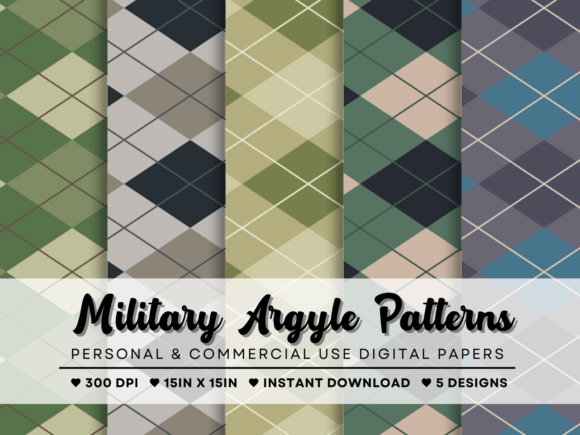
The classic argyle pattern, with its interlocking diamonds and intersecting lines, has long been a staple of traditional knitwear. However, in the current design landscape, seamless argyle patterns have transcended their origins to become a dynamic asset for digital creators, textile manufacturers, and branding professionals. This evolution represents more than just a stylistic shift; it reflects a broader demand for high-quality, adaptable visual resources that can bridge the gap between analog heritage and modern production workflows.
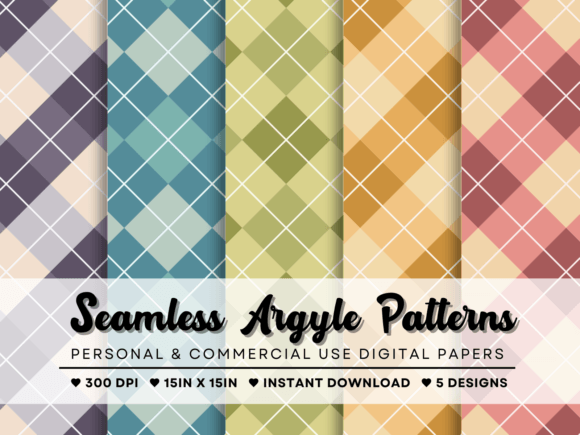
For designers working today, the ability to manipulate graphics without losing fidelity is non-negotiable. The introduction of a comprehensive set containing 5 argyle seamless patterns addresses this need by offering a collection that is both aesthetically timeless and technically robust. These are not merely static images but structured assets designed to integrate seamlessly into complex projects, from high-volume sublimation printing to intricate digital mockups.
The Evolution of Pattern Usage in Modern Workflows
Design trends are cyclical, yet the way we utilize them has fundamentally changed. In the past, applying an argyle motif might have required manual tracing or low-resolution raster adjustments that degraded quickly upon scaling. Today, the expectation is for immediate scalability and infinite customization. The shift toward vector-based workflows means that professionals no longer need to compromise on quality when expanding a design from a business card to a full-scale fabric roll.
This specific collection of seamless argyle patterns aligns perfectly with these modern expectations. By providing files in vector formats like AI, EPS, and SVG, the resource ensures that every diamond and intersection remains crisp regardless of the output size. This is particularly relevant for entrepreneurs and freelancers who often juggle multiple deliverables simultaneously. Whether you are creating a lookbook for a clothing brand or designing packaging for a lifestyle product, the ability to scale without loss of quality saves hours of rework and ensures a professional finish.
Furthermore, the organization of layers within these files speaks to the efficiency demands of contemporary creative practices. Ordered layers allow users to isolate specific elements of the pattern, adjust opacity, or modify individual color segments without affecting the integrity of the whole. This level of control is essential for designers who need to tailor a generic pattern to fit a specific brand palette or thematic requirement.
Technical Superiority and Format Flexibility
The true value of this resource lies in its versatility across different software ecosystems. The inclusion of multiple file types ensures compatibility whether you are a die-hard Adobe user or someone who prefers alternative tools. For instance, the AI and EPS files are optimized for Adobe Illustrator (CC2014 or latest), making them ideal for precise vector manipulation and layout work. Meanwhile, the SVG files offer universal accessibility, allowing editing in any vector graphics program, which is crucial for web developers and UI/UX designers looking to implement patterns directly into responsive designs.
For those focused on texture and detail, the JPG and PNG files provide high-resolution raster options. These can be edited in popular raster programs like Adobe Photoshop, Affinity Designer, or even Procreate on tablets. This flexibility supports a wide range of creative habits, from digital painting to photo manipulation. Additionally, the inclusion of PSD files allows for deep editing within Photoshop, complete with layer masks and adjustment capabilities, ensuring that the final output meets exacting standards.
A standout feature of this set is the inclusion of a PAT file. This single file contains a set of patterns ready for immediate use in Adobe Photoshop CC2014 or later. Instead of manually defining pattern boundaries, users can instantly apply the argyle design as a fill layer. This streamlines the workflow significantly, reducing the time spent on technical setup and allowing more focus on creative direction.
Practical Applications for Business and Creativity
The practical implications of having such a well-structured pattern library extend far beyond simple decoration. One of the most significant applications is in the realm of sublimation printing and fabric printing. As the market for custom apparel and home textiles continues to grow, the demand for high-quality, repeatable patterns has never been higher. Sublimation requires precise, seamless repeats to ensure that the pattern flows naturally across the entire surface of the fabric without visible seams or breaks.
These seamless argyle patterns are specifically engineered for this purpose. The seamless nature of the design means that printers can tile the image endlessly, creating a cohesive look for everything from athletic wear to interior upholstery. The ability to change colors easily is another critical factor here. A fashion entrepreneur might want to produce a single design in five different seasonal palettes. With the organized layers and swatches panel integration, changing the color scheme becomes a matter of seconds rather than hours, enabling rapid prototyping and faster time-to-market.
Beyond textiles, these resources are invaluable for marketing materials and branding. Bloggers and content creators can use the patterns to create engaging backgrounds for articles, social media graphics, or digital newsletters. The swatches file included in the package further enhances usability by providing a curated color palette that matches the patterns, ensuring visual consistency across all brand assets. This attention to detail helps businesses maintain a professional image while reducing the cognitive load on the design team.
Why Seamless Integration Matters
In an era where digital and physical experiences are increasingly intertwined, the concept of "seamless" extends beyond the pattern itself. It refers to the frictionless experience of using a design tool. When a designer opens a file and finds that the layers are logically named and grouped, they can immediately begin working rather than troubleshooting structure. The ordered layers in this set eliminate the common frustration of untangling complex vector groups.
This ease of use is particularly beneficial for educators and students learning graphic design. Having access to professionally organized files serves as an educational tool, demonstrating best practices in file management and layer organization. It provides a clear example of how to build scalable graphics that can be adapted for various mediums.
Adapting to Changing Market Preferences
The resurgence of interest in geometric and heritage patterns like argyle is driven by a desire for authenticity and craftsmanship in a digital world. Consumers are gravitating towards designs that feel tangible and human-made, even when produced through automated processes. By leveraging seamless argyle patterns, brands can tap into this sentiment, offering products that evoke nostalgia while maintaining a modern aesthetic.
Moreover, the trend towards personalization and small-batch manufacturing favors flexible design assets. Unlike rigid templates, these patterns allow for easy modification, supporting the "made-to-order" model that many small businesses are adopting. The ability to quickly generate variations in color and scale empowers creators to test different market segments without committing to expensive production runs.
As technology continues to advance, the tools we use must evolve to keep pace. This collection of 5 argyle seamless patterns represents a forward-thinking approach to resource creation. It acknowledges that the modern creator needs a toolkit that is robust, versatile, and ready for immediate deployment. Whether you are a seasoned professional managing large-scale print jobs or a hobbyist experimenting with DIY crafts, the combination of vector precision and raster flexibility offers a solution that adapts to your specific needs.
Ultimately, the success of a design project often hinges on the quality of the foundational assets. By choosing a resource that prioritizes organization, scalability, and format diversity, users can ensure that their creative vision is realized without technical limitations. The seamless argyle patterns described here are more than just decorative motifs; they are a strategic investment in efficiency and quality, bridging the gap between traditional design aesthetics and the demands of the modern marketplace.