Plant Patterns Product Design: Transforming Digital Assets into Real-World Value
When you download a collection of Plant Patterns Product Design, you are not just acquiring a set of images; you are gaining a versatile toolkit for visual storytelling. In a digital landscape saturated with generic content, the ability to introduce organic, nature-inspired textures and motifs sets your work apart. These designs serve as the bridge between the calming aesthetic of the natural world and the practical needs of modern branding and creative projects. Whether you are a freelancer trying to land a new client or a small business owner refreshing your packaging, understanding how to leverage these assets is key to creating impactful visuals.
Understanding the Core of Plant Pattern Collections
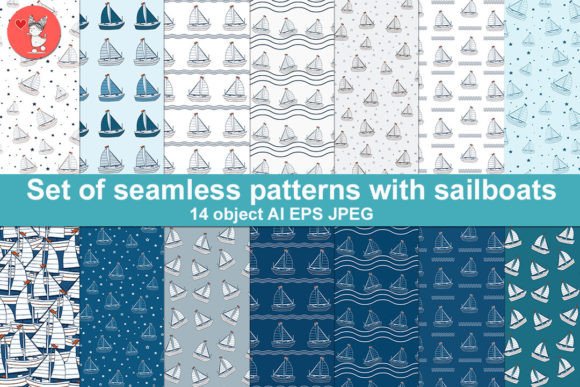
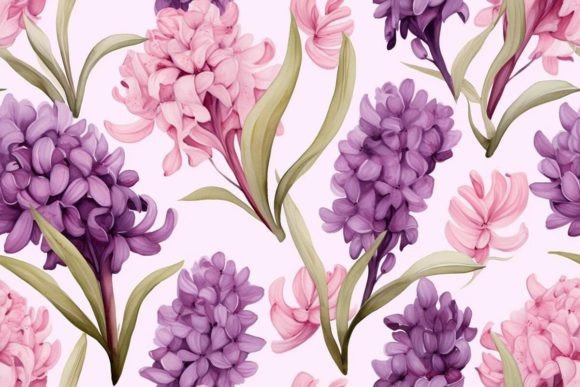
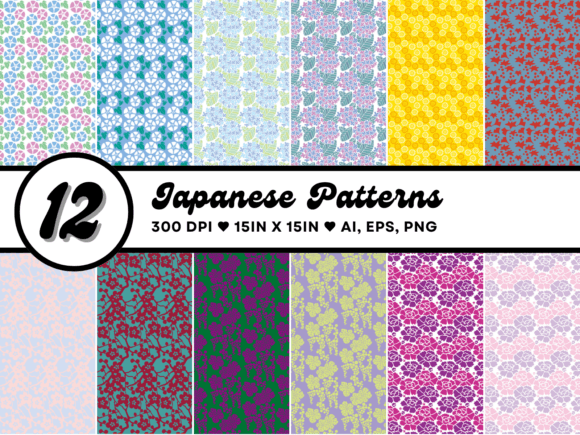
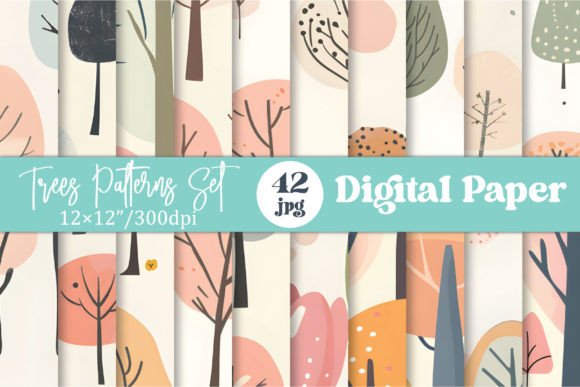
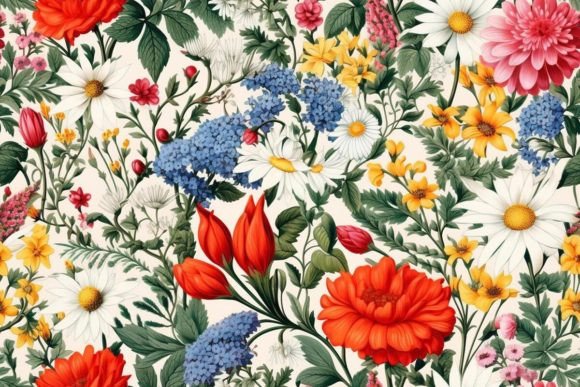
The essence of this design resource lies in its simplicity and adaptability. The package typically includes high-quality JPG files featuring intricate botanical illustrations, leafy textures, and floral arrangements. While the titles accompanying these files might be randomly generated and occasionally misleading, the true value is found strictly within the imagery itself. A file named "Forest Mist" might actually contain a dense fern pattern perfect for a summer textile print, while another labeled "Tropical Bloom" could offer the vibrant background needed for a fitness app interface.
This disconnect between title and content is common in stock asset libraries, but it forces designers to look closer at the actual visual data rather than relying on metadata. It encourages a more tactile approach to selection, where you evaluate the composition, color palette, and line weight of each pattern. By focusing on the image quality rather than the filename, you ensure that the final output aligns perfectly with your project's specific mood board and brand guidelines.
Creative Applications for Personal and Professional Projects
The versatility of Plant Patterns Product Design allows it to fit seamlessly into a wide array of scenarios. For hobbyists and crafters, these patterns are ideal for DIY home decor projects. Imagine printing a subtle monstera leaf pattern on canvas to create custom throw pillows, or using a delicate vine motif to wrap gift boxes for a birthday celebration. The organic shapes soften the edges of interior spaces, making them feel more inviting and less sterile.
For entrepreneurs and small business owners, the application extends directly to commercial products. Packaging is perhaps the most critical area where these designs shine. A coffee shop launching a new seasonal blend can use a rich, dark green leaf pattern to convey freshness and earthiness. Similarly, a skincare brand developing an all-natural line can utilize floral watercolor textures to emphasize purity and gentleness. When consumers touch a product wrapped in a thoughtfully designed plant pattern, they immediately perceive a connection to nature, which often translates to higher perceived value and trust.
Digital Content and Social Media Strategy
In the realm of digital marketing, visual consistency is everything. Bloggers and content creators can integrate these patterns into their website headers, sidebar backgrounds, or newsletter templates. A lifestyle blogger covering topics like wellness or sustainable living can use a bamboo texture as a subtle divider between blog posts, reinforcing their thematic focus without overwhelming the text. Social media managers can also repurpose these JPGs to create eye-catching story highlights or post backgrounds that stand out against the typical solid-color feeds of competitors.
Educators and presenters find these assets equally useful. Creating slide decks for workshops on environmental science or biology becomes significantly more engaging when the background features a tasteful arrangement of leaves or flowers. Instead of stark white slides, a presentation gains depth and context, helping to keep the audience visually engaged while delivering complex information.
Strategic Considerations Before You Download
Before integrating any asset into your workflow, it is crucial to consider the technical specifications and licensing terms associated with Plant Patterns Product Design. Since the collection relies on JPG formats, users should be aware of the resolution limits. If you plan to use a pattern for large-scale printing, such as billboards or fabric rolls, you must verify that the image dimensions are sufficient to prevent pixelation. High-resolution assets are non-negotiable for professional print jobs, whereas standard web resolution may suffice for social media graphics.
Another vital consideration is color compatibility. Botanical patterns often come in specific palettes—ranging from deep forest greens to soft pastels. Ensure that the colors in the pattern harmonize with your existing brand identity. If your brand uses bold primary colors, a muted sage green pattern might get lost unless used strategically as a background element. Conversely, if your brand is minimalist, a highly detailed floral pattern could provide the necessary pop of interest without cluttering the design.
Furthermore, because the filenames are random, organization is key. Once downloaded, take the time to rename your files based on their actual visual content. Create folders categorized by type, such as "Ferns," "Floral," or "Abstract Leaves." This simple step saves hours of frustration later when you need to quickly locate a specific texture for a last-minute client request. Effective file management ensures that your creative process remains fluid and uninterrupted.
Maximizing Impact Through Thoughtful Application
The success of using plant patterns does not rely solely on the beauty of the image but on how it is applied. Overusing a busy pattern can lead to visual fatigue, so balance is essential. Try using a dense leaf pattern as a border or a footer while keeping the central content area clean and readable. This technique guides the viewer's eye and frames your message effectively.
For freelancers pitching to clients, showing mockups of how a pattern looks on a real-world object can be a game-changer. Instead of presenting a flat JPG, visualize it on a t-shirt, a notebook cover, or a smartphone case. This helps clients visualize the end result and understand the tangible value of the design. It demonstrates that you are thinking about the user experience and the physical reality of the product, not just the digital file.
Ultimately, Plant Patterns Product Design offers a pathway to infuse creativity and nature into every aspect of your work. From enhancing the aesthetic appeal of a personal blog to elevating the brand perception of a startup, these patterns provide a foundation for authentic expression. By focusing on the actual visual qualities, managing your files wisely, and applying the designs with intention, you can transform simple images into powerful tools for communication and growth.
If you find these resources helpful, sharing your experience through reviews supports the creator community and helps others discover valuable tools. Following the source for updates ensures you stay ahead of trends and have access to fresh collections that can keep your projects looking modern and relevant.