Transforming Spaces with Botanical Design Hyacinth Patterns
There is a distinct rhythm to nature that often gets lost in our digital and urban environments. We crave the organic, the textured, and the alive. This is where Botanical Design Hyacinth Patterns step in as a transformative force. Whether you are an interior designer looking for a statement wall, a fashion enthusiast seeking unique fabric prints, or a creative professional needing high-quality assets for a project, these patterns offer a versatile solution that bridges the gap between classic elegance and modern aesthetics.
The appeal of the hyacinth lies not just in its vibrant colors but in its structural complexity. The dense clusters of bell-shaped flowers create a visual texture that is both intricate and soothing. When translated into design files, this natural beauty becomes a powerful tool for communication and decoration. Unlike generic floral motifs, the specific geometry of the hyacinth offers a sense of order within chaos, making it perfect for applications that require sophistication without being overwhelming.
Understanding the Visual Language of Hyacinths
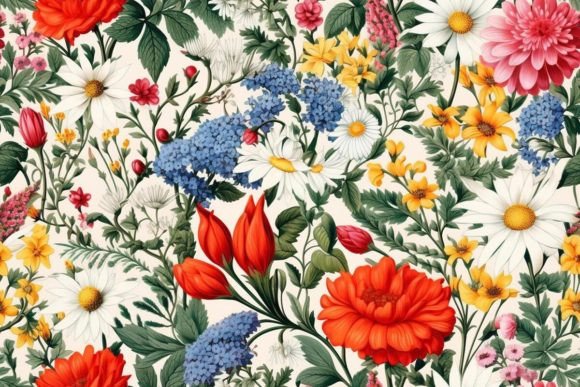
To truly appreciate the utility of these designs, one must first understand what makes them unique. A standard floral pattern might rely on scattered blooms and leaves, creating a busy or chaotic look. In contrast, Botanical Design Hyacinth Patterns capitalize on the verticality and density of the flower spike. This creates a strong directional flow that can be manipulated to guide the eye across a surface.
In practical terms, this means these patterns are incredibly adaptable. They work beautifully in repeating sequences for wallpaper, where the vertical lines elongate a room, making ceilings appear higher. They also function exceptionally well in tiling or border designs, providing a structured frame for other elements. The depth of the image allows for layering; you can place a solid color background behind a semi-transparent overlay of the hyacinth design to create a subtle, tonal effect that feels luxurious rather than loud.
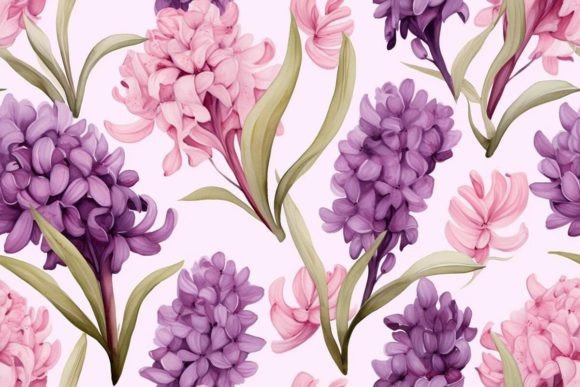
The color palette associated with hyacinths is equally diverse, ranging from deep purples and blues to soft pinks and crisp whites. This versatility ensures that the design fits into various color schemes. A monochromatic scheme using different shades of blue hyacinths can evoke a serene, spa-like atmosphere, while a high-contrast mix of purple and gold can inject energy and drama into a living space or a graphic layout.
The Technical Quality Behind the Art
When sourcing digital assets, resolution and clarity are paramount. High-quality Botanical Design Hyacinth Patterns are not merely low-resolution images stretched to fit a screen. They are crafted with precision to ensure they remain sharp whether printed on a business card or projected onto a large billboard. The file structure typically includes a high-definition JPG format, which balances quality with manageable file sizes for easy sharing and editing.
One critical aspect of these digital collections is the authenticity of the imagery. While titles and metadata can sometimes be generated randomly or misleadingly, the visual content tells the true story. A designer should always prioritize the actual image preview over the filename or description. If a title suggests a "Spring Garden" but the image shows a stark winter scene, relying on the visual cue is essential. The integrity of the design comes from the pixels themselves—the way light hits the petals and how the shadows define the form.
For those who have specific requirements, such as needing a particular orientation or color correction, the best approach is often direct communication. Many creators welcome feedback and are willing to upload specific types of images based on user requests. This collaborative element ensures that the final product aligns perfectly with the vision of the project at hand.
Applications Across Modern Industries
The versatility of botanical motifs extends far beyond simple home decor. In the world of fashion, Botanical Design Hyacinth Patterns are increasingly popular for textile printing. The intricate details of the flower spikes translate beautifully onto silk, cotton, and synthetic blends, adding a touch of organic elegance to garments. Designers often use these patterns for evening wear, where the depth of the print catches the light as the wearer moves.
In the realm of web design and digital marketing, these patterns serve as excellent backgrounds. They provide a rich texture that prevents websites from feeling sterile. However, usability is key. A busy pattern can interfere with readability if not used correctly. The trick is to use the hyacinth design as a subtle backdrop, perhaps with a low opacity, allowing text and call-to-action buttons to stand out clearly. This balance ensures that the aesthetic value does not compromise the user experience.
Interior designers also find immense value in these assets. Imagine a feature wall in a corporate office that uses a muted, grey-scale version of the hyacinth pattern. It adds warmth and personality to a space that might otherwise feel cold and institutional. Similarly, in hospitality, hotels often use these patterns in lobby carpets or upholstery to create a welcoming, natural ambiance that guests associate with relaxation and comfort.
Integrating Patterns into Creative Workflows
For creatives working in software like Adobe Photoshop or Illustrator, having access to high-quality source files is a game-changer. The ability to manipulate the scale, rotation, and color of the Botanical Design Hyacinth Patterns allows for endless customization. You can crop the image to focus on a single bloom, or tile it to cover an entire canvas. The flexibility of the JPG format ensures compatibility with almost all design platforms, streamlining the workflow from concept to execution.
Consider a scenario where a brand wants to launch a new eco-friendly product line. Using a hyacinth pattern on the packaging immediately communicates themes of nature, growth, and sustainability. The visual language speaks to the consumer before they even read the label. By selecting a pattern that resonates with the brand's values, companies can create a cohesive identity that stands out on crowded shelves.
Furthermore, the trend towards biophilic design—incorporating natural elements into built environments—is driving demand for high-quality botanical imagery. Architects and designers are no longer satisfied with generic stock photos; they seek unique, detailed patterns that tell a story. Botanical Design Hyacinth Patterns meet this need by offering a level of detail that feels curated and intentional.
Choosing the Right Assets for Your Project
Before diving into a project, it is wise to evaluate your specific needs. Are you looking for a seamless repeat? Do you need a high-resolution file suitable for large-format printing? Or perhaps you need a smaller, more delicate version for digital screens? Understanding these requirements helps in selecting the right variation of the pattern.
- Resolution Matters: Always check the DPI (dots per inch) of the image. For print projects, 300 DPI is the standard to ensure crisp edges. For web use, 72 DPI is usually sufficient, but larger dimensions are still preferred for high-density displays.
- Color Consistency: Digital screens and printers reproduce colors differently. Be aware that the vibrant hues seen on your monitor might shift slightly when printed. Testing a small sample print is always recommended.
- Composition and Flow: Look at how the pattern repeats. Does it create awkward gaps or jarring lines? A well-designed hyacinth pattern will flow naturally, creating a continuous visual experience.
It is also important to consider the context in which the design will be used. A bold, colorful hyacinth pattern might be perfect for a children's book illustration but could be too distracting for a financial report cover. Context dictates the choice of pattern intensity, color saturation, and scale.
Making the Most of Your Collection
Once you have acquired your files, the real work begins. Don't just drop the image into your document and hope for the best. Experiment with blending modes, adjust the brightness and contrast, and combine the hyacinth pattern with other textures like linen or stone. These small adjustments can elevate a good design to a great one.
Supporting the creators who produce these beautiful assets is also part of the ecosystem. Leaving reviews and feedback helps maintain the quality of available resources and guides future buyers. If you find a pattern particularly useful, sharing your experience encourages more artists to explore similar themes, enriching the pool of available design tools.
In conclusion, Botanical Design Hyacinth Patterns represent more than just a pretty picture. They are a functional, versatile, and aesthetically pleasing resource that enhances a wide array of creative endeavors. From the quiet corners of a home to the bustling streets of fashion week, the influence of the hyacinth is felt through its ability to bring a piece of nature's complexity into human-made spaces. By understanding their qualities and applying them thoughtfully, you can unlock new levels of creativity and professionalism in your work.
Whether you are revamping your portfolio, designing a new collection, or simply decorating your personal space, these patterns offer a timeless appeal that transcends fleeting trends. Embrace the organic beauty of the hyacinth, and let it inspire your next big project.